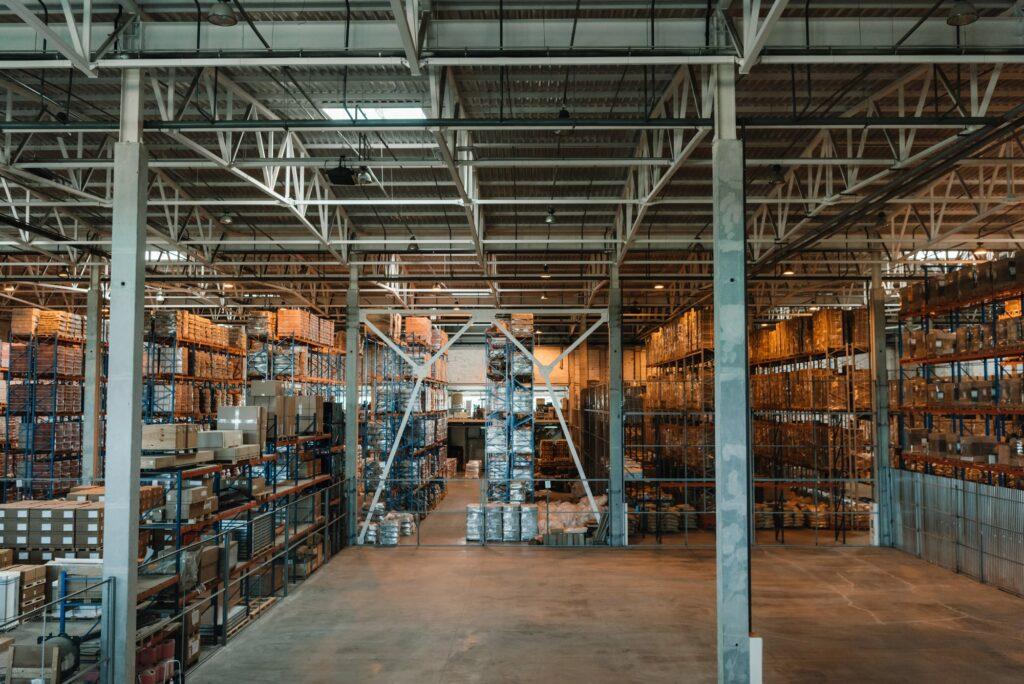
How Warehousing Strategies Have Changed Since 2020 (And What’s Next)
The past few years have redrawn the map of warehouse management. When the pandemic disrupted supply chains in 2020, many businesses had to reexamine how they stored, tracked, and distributed goods.
What began as crisis management has since developed into lasting structural change. The warehousing model that once depended on predictability now centers on flexibility, precision, and proximity to customers.
From Centralized Storage to Distributed Networks
Before 2020, warehouse planning focused on scale and cost efficiency. Companies often concentrated inventory in a few large facilities near major ports or highways. That model made sense when transportation was consistent and demand patterns followed seasonal rhythms. The shock of widespread delays revealed how fragile those assumptions were. Businesses learned that even a single interruption could affect multiple distribution points.
Now, the emphasis has shifted toward resilience. Many companies are adopting multi-node networks, spreading inventory across smaller regional sites to shorten delivery times and reduce exposure to disruptions.
AFP Global Logistics has seen firsthand how this distributed approach improves both reliability and responsiveness. By offering warehousing options across several key markets, we help clients balance cost efficiency with speed to market.
Visibility and Data as the New Standard
Technology has also reshaped how inventory is managed. Real-time visibility has become a baseline expectation, not a luxury. Retailers and manufacturers want accurate data on stock levels and transit times at every step.
AFP Global Logistics supports that need through integrated tracking and reporting systems that allow clients to make decisions quickly and confidently. This visibility is especially valuable for businesses managing seasonal goods, promotional cycles, or vendor-managed inventory programs.
Integrating Warehousing and Transportation
Another major shift involves the relationship between warehouse operations and transportation planning. In the past, these functions were often treated separately. Today, they are closely coordinated to avoid costly handoffs and delays.
AFP Global Logistics’ model treats warehousing as part of a larger logistics ecosystem. Whether handling e-commerce fulfillment, bulk distribution, or reverse logistics, the company connects each function under one framework, reducing inefficiencies and improving flow from dock to destination.
A Stronger Focus on Sustainability
Sustainability has become another defining factor. Energy-efficient lighting, optimized racking systems, and improved route planning are now part of standard warehousing strategies. Companies are increasingly judged not only by their speed and accuracy, but by how responsibly they operate.
AFP Global Logistics continues to refine its warehousing processes to reduce waste and energy use without compromising service quality.
What’s Next for Warehousing Strategy
Looking ahead, warehouse strategy will continue to emphasize adaptability. The next phase is likely to involve tighter integration between warehousing, transportation, and procurement functions. The goal is not to build larger facilities, but to build smarter networks that can respond to unpredictable market conditions with minimal disruption.
AFP Global Logistics remains focused on helping clients navigate these ongoing changes with dependable infrastructure, clear communication, and a deep understanding of what efficient warehousing really means.
The lessons learned since 2020 have made the industry stronger and more agile. Companies that prioritize flexibility and data-driven planning are best positioned for what comes next: and we’re ready to support them at every step.
Get the Best in Modern Warehouse Services with Solutions from AFP Global Logistics
At AFP Global Logistics, our storage and warehousing solutions include providing clean, secure, climate-controlled spaces. We customize all our solutions to fit the needs of our customers, and we have over 30 years of logistics experience. Whether you have a time-critical shipment or you’re looking for someone to handle your inventory management, you can count on our experts to handle all of your logistics needs.
To contact us, you can fill out our contact form, email us at quotes@afplus.com, or call us at 1-800-274-1237.

