What the Dimensional Weight Factor Means for Your Shipping Bill
You packed a box, weighed it, and quoted yourself a price in your head. Then the invoice came back higher than expected, and the reason wasn’t the weight. It was the box.
This is the dimensional weight factor at work, and it catches a lot of shippers off guard. If you’ve ever looked at a freight bill and thought “this doesn’t add up,” there’s a good chance DIM weight is the culprit.
Here’s what it is, how carriers calculate it, and what you can actually do about it.
What Dimensional Weight Is
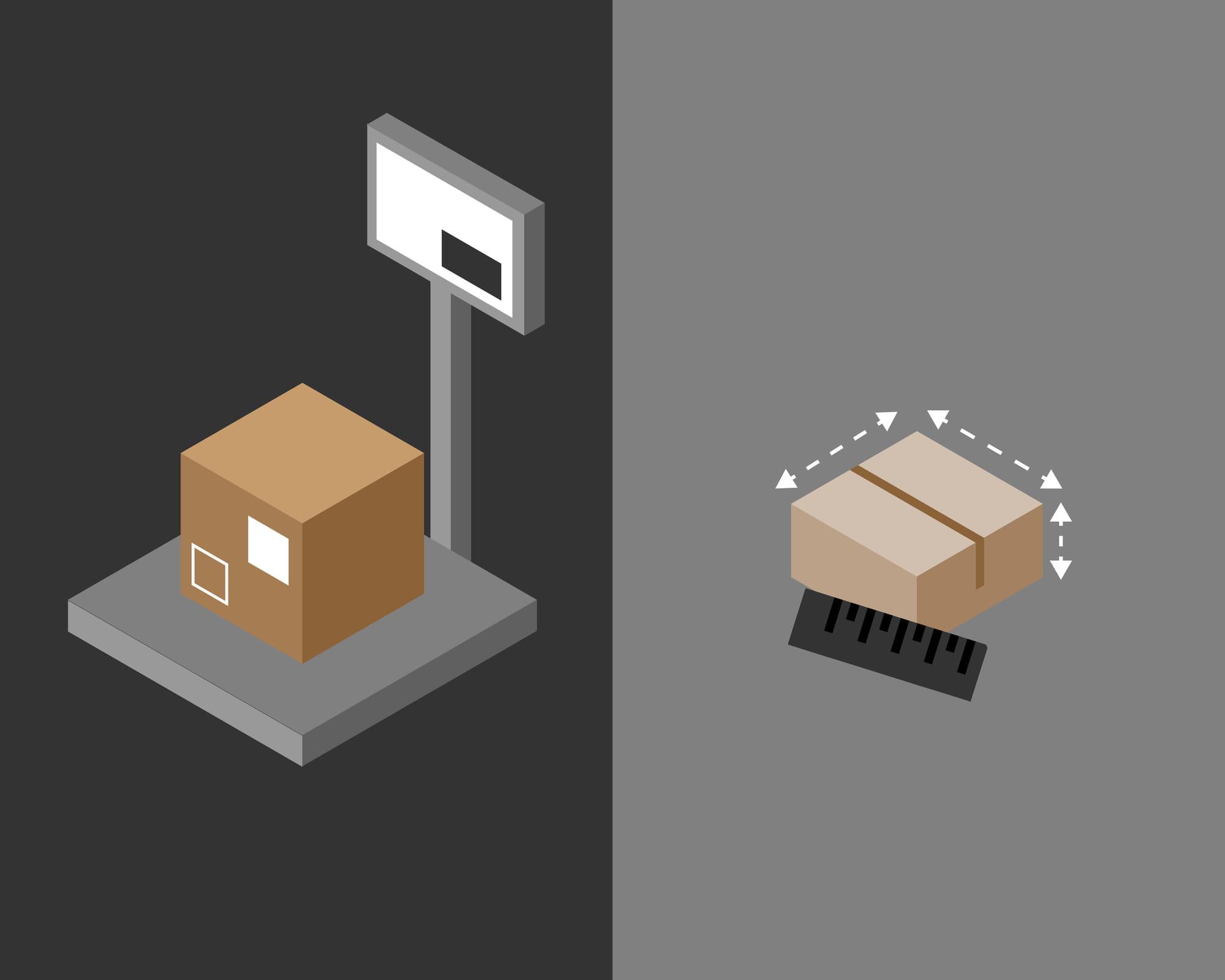
Carriers don’t just charge for how much your shipment weighs. They charge for how much space it takes up on a truck or plane, too. Whichever number is higher, the actual weight or the dimensional weight, is what you pay for.
The logic behind this makes sense once you think about it from the carrier’s side. A truck runs out of cubic space long before it runs out of weight capacity in most cases. A large, light shipment can eat up the same amount of room as a much heavier one, so carriers built a pricing model that accounts for volume, not just scale weight.
That’s the whole idea behind DIM weight. It keeps carriers from losing money on shipments that are big but light.
How to Calculate It
The formula is straightforward:
Length x Width x Height (in inches) ÷ DIM Divisor = Dimensional Weight
The DIM divisor varies by carrier and shipping method, but common values fall between 139 and 166. Let’s walk through an example.
Say you’re shipping a box that measures 24 x 18 x 18 inches. The actual weight is 15 pounds. Using a DIM divisor of 139:
24 x 18 x 18 = 7,776 cubic inches 7,776 ÷ 139 = 55.9, rounded up to 56 pounds
Your box weighs 15 pounds on a scale, but the carrier will bill you for 56 pounds of dimensional weight. That’s the gap that shows up as an unpleasant surprise on your invoice.
Why the DIM Factor Trips People Up
Most shippers get blindsided by DIM weight for a handful of predictable reasons:
- Oversized boxes. A box built for a bigger product than what’s actually inside adds cubic inches without adding any real weight.
- Excess void fill. Packing peanuts and air pillows protect your product, but too much of them inflates the dimensions.
- Non-stackable freight. Irregular shapes or fragile items that can’t be packed efficiently often carry a bigger dimensional footprint than their contents would suggest.
- Inconsistent packaging across a product line. If your team isn’t standardizing box sizes, you’re likely paying dimensional weight penalties on some percentage of shipments without realizing it.
None of these are dealbreakers on their own. The problem is that they add up, shipment after shipment, and most businesses don’t have visibility into how much it’s costing them until someone looks.
How Packaging and Consolidation Change the Number
DIM weight is one of the more controllable line items on your shipping bill. A few adjustments make a real difference:
- Right-size your packaging. Matching box dimensions to the product inside is the single biggest lever you have. Even trimming a few inches off each dimension can meaningfully lower your DIM weight on high-volume shipments.
- Consolidate smaller shipments. Combining multiple items into fewer, better-packed boxes reduces the total cubic space you’re being billed for.
- Audit your packaging regularly. Product lines change, packaging suppliers change, and what worked a year ago might not be efficient anymore.
- Work with a partner who checks this before it becomes a problem. A logistics provider who understands DIM weight can flag inefficiencies in your packaging strategy before they show up as a pattern on your invoices.
Getting Ahead of Your DIM Weight Costs
Dimensional weight isn’t going away, and carriers aren’t going to stop using it. But it doesn’t have to be a mystery line item that eats into your margins every month.
AFP Global Logistics works with businesses to review packaging practices, identify where DIM weight is inflating shipping costs, and build a strategy that keeps your bills predictable. If your invoices have been running higher than they should, it’s worth a closer look.
Contact AFP Global Logistics
AFP Global Logistics offers a comprehensive range of domestic and international logistics services, including transportation, warehousing, distribution, and specialty freight. To learn more or start building a solution that fits your business, contact AFP Global Logistics today.
Give us a call at (800) 274-1237 or reach out at quotes@afplus.com. You can also fill out our convenient online Contact Form.