
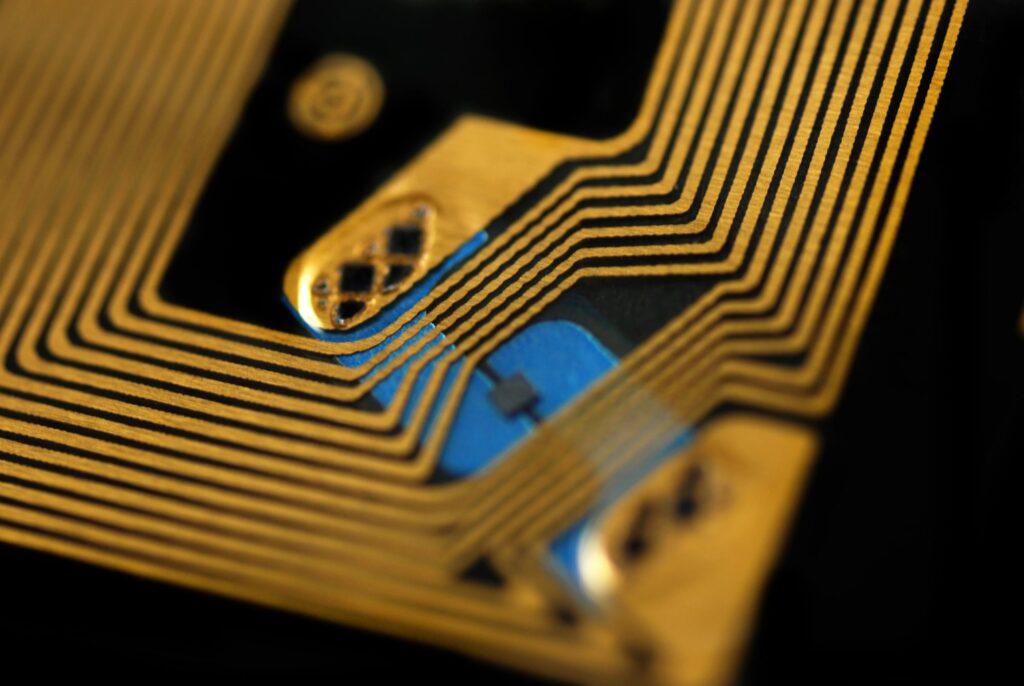
How RFID and Barcode Tech Are Speeding Up Customs Processing
For logistics professionals, the customs clearance process has long been a source of delays and inefficiencies. Even with modern trade agreements and digital filing systems, shipments can still get held up due to paperwork errors, misidentified goods, or slow manual inspections. However, recent advances in tracking technologies, specifically RFID and barcode scanning, are beginning to make a noticeable difference.
Both technologies are not new, but their adoption at key checkpoints, especially within customs operations, is improving speed and accuracy in significant ways. Here’s how they’re helping shipments move faster and with fewer hiccups.
More Accurate Cargo Identification
One of the biggest challenges customs officers face is verifying the contents of a shipment against its documentation. Barcode and RFID systems help bridge this gap. When every item or container is tagged with a barcode or RFID chip, it becomes much easier to scan and cross-check against the declared manifest. This cuts down on human error and reduces the need for manual inspections.
RFID, in particular, offers an advantage because it does not require direct line-of-sight to scan. A customs officer can read multiple tags simultaneously, even if items are inside a container or stacked on a pallet. This means faster processing at ports and border checkpoints.
Streamlined Inventory Audits
Both RFID and barcodes enable faster, more precise audits of shipment contents. For customs, this means better risk assessment. If a container has a detailed and verifiable item list that matches scanned data, it’s less likely to be flagged for inspection. When anomalies do appear, they can be spotted more quickly, allowing officers to focus their time where it’s most needed.
This kind of automation is especially helpful at high-traffic ports where large volumes of freight need to be processed with minimal delays. Faster audits mean less idle time for containers and lower costs for carriers and importers.
Integration with Customs Software
Customs agencies worldwide are moving toward integrated digital platforms that combine data from multiple sources. Barcode and RFID scans can feed directly into these systems, providing real-time updates on cargo location and status. This visibility helps customs authorities pre-clear shipments before they even arrive at the port, reducing wait times significantly.
For example, some systems use RFID scans at loading docks to alert customs officials that a shipment is on the way. With access to the shipping documents and scanned item data in advance, they can complete much of the clearance process ahead of time.
Fewer Delays, Lower Costs
The bottom line for logistics companies is that faster customs processing means fewer delays and fewer unexpected costs. Demurrage fees, port storage charges, and missed delivery windows all add up. Technologies like RFID and barcode scanning reduce the chances of these setbacks by making the customs process more predictable.
While no single solution can eliminate all delays, the smart use of these tracking tools can remove some of the most common bottlenecks. As more ports and customs offices upgrade their systems, we can expect smoother movement of goods across borders. And that’s a win for everyone in the supply chain.
For All of Your Logistics Needs, Trust the Experts at AFP Global
Effective logistics requires continuous adaptation in response to a dynamic environment. This forces businesses to embrace new techniques and the latest in logistics innovations to achieve optimal supply chain efficiency, reduce their operating costs, and gain a competitive edge in their industry.
If you’re ready to optimize your logistics, our expert team can help. Contact AFP Global Logistics today to experience the value that we have to offer.