
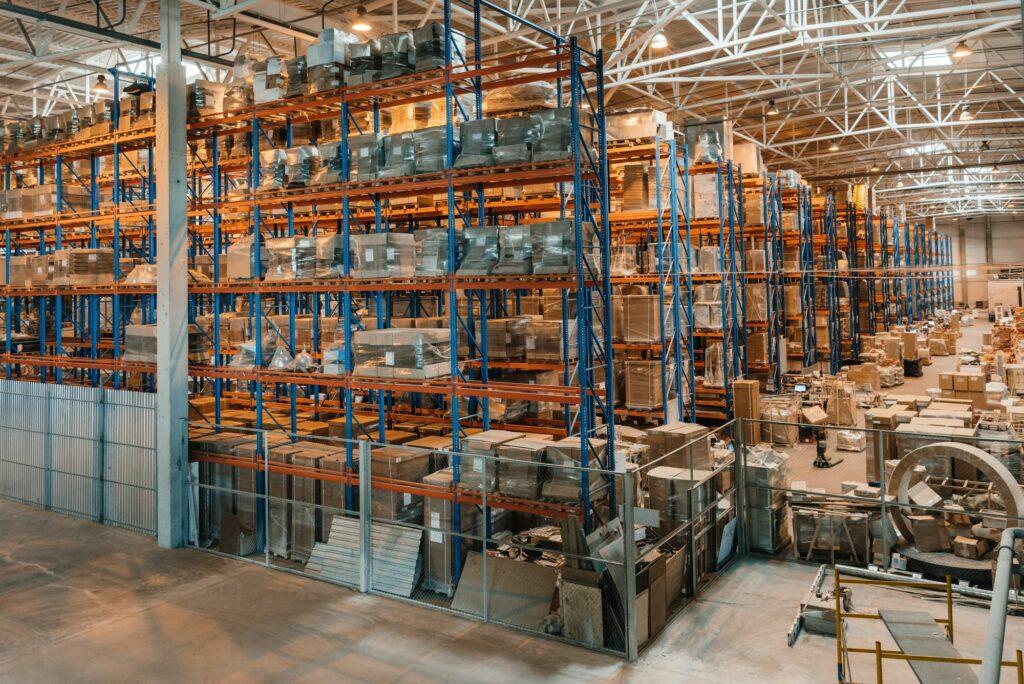
Evolving Trends in Distribution Services: Embracing Technological Advancements
Distribution services play a critical role in the modern economy, ensuring that products reach consumers efficiently and effectively. From the movement of goods within supply chains to the delivery of packages, distribution services form a vital link in the overall process. In today’s rapidly evolving technological landscape, embracing advancements has become imperative for the distribution industry to stay competitive and meet the changing demands of customers.
Traditional Distribution Services
Traditionally, distribution services involved activities such as warehousing, transportation, and order fulfillment. However, the traditional model faces various challenges in the current dynamic business environment. The rise of e-commerce, increased customer expectations for faster delivery times, and the need for real-time visibility have shed light upon and exposed the limitations of conventional approaches. To address these challenges, the distribution industry must adapt and transform its operations.
Technological Advancements in Distribution Services
The emergence of cutting-edge technologies has revolutionized the distribution sector. These advancements provide opportunities to enhance efficiency, optimize processes, and improve customer experiences. Technologies like the Internet of Things (IoT) and connected devices enable real-time tracking and monitoring of shipments, ensuring better visibility and control throughout the supply chain.
Artificial Intelligence (AI) and machine learning algorithms empower distribution companies to analyze vast amounts of data, optimize routines, and predict demand patterns, leading to improved decision-making and resource allocation. Robotics and automation streamline warehouse operations, speeding up order processing and reducing errors. Blockchain technology enhances transparency and trust in supply chain transactions, while augmented reality (AR) and virtual reality (VR) technologies offer new ways to visualize and interact with product information.
Evolving Trends in Distribution Services
As the distribution industry embraces technological advancements, several key trends have emerged. Advanced analytics plays a vital role in demand forecasting and inventory management, enabling companies to optimize stock levels, reduce stockouts, and improve order fulfillment. Last-mile delivery solutions have seen significant advancements, with companies exploring innovative approaches such as autonomous vehicles and drones to expedite deliveries.
Smart Warehouses
Smart warehouses and distribution centers leverage IoT, robotics, and AI to enhance operational efficiency, inventory accuracy, and order processing. Furthermore, the industry is placing increased emphasis on sustainability, adopting eco-friendly practices like electric vehicles, and optimizing routes to minimize environmental impact. Personalization and customization of distribution services are gaining traction, with companies tailoring their offerings to meet individual customer preferences. Additionally, the optimization of supply chain networks through technology ensures smooth coordination between suppliers, manufacturers, distributors, and retailers, minimizing costs and improving overall efficiency.
Blockchain, Augmented Reality, and Virtual Reality
Blockchain technology has transformed distribution services by introducing transparency and trust into supply chains. Blockchain enables secure and immutable record-keeping with a decentralized ledger, ensuring the integrity of transactions and reducing the risk of fraud. Augmented reality streamlines warehouse operations to make things smarter, faster, and more efficient.
Augmented reality enhances training, allowing new hires to learn on the job faster and with fewer errors, which means happier customers. Hands-free picking boosts speed and accuracy, while smart glasses can overlay digital information onto the real world to guide workers to the right items. Virtual reality also transforms distribution services as it enables remote management and provides immersive training for warehouse staff, which reduces errors and improves safety. VR-based route planning tools can help by calculating optimal delivery paths to reduce time and costs.
Contact Our Experts
If you’re ready to take advantage of innovative solutions to enhance your customer experiences, drive growth, and optimize your operations, then now is the time to do so. For all your logistics and warehousing needs, you can count on us to deliver results. Contact AFP Global Logistics to talk to our experts.